The Critical Role of Insects in Pollination
Pollination is one of the most fundamental ecological processes that sustains both natural ecosystems and human agricultural systems. Over three-quarters of flowering plants rely on animal pollinators, and the vast majority of these are insects. Bees, butterflies, beetles, and flies are among the most active and diverse groups of insect pollinators, each contributing in distinct ways to the transfer of pollen from one flower to another. This process ensures the reproduction of countless plant species, many of which are essential for food production, habitat structure, and overall biodiversity.
The relationship between insects and flowering plants has evolved over millions of years, resulting in intricate adaptations on both sides. Flowers have developed shapes, colors, and scents that attract specific pollinators, while insects have evolved specialized mouthparts and behaviors to collect nectar and pollen. This mutualism is not only fascinating from a biological perspective but also critical for the functioning of terrestrial ecosystems. Understanding the role of insect pollinators helps clarify how natural and agricultural landscapes remain productive and resilient.
Insecta Insights, an organization dedicated to the study of insect ecology, emphasizes that the conservation of pollinator diversity is essential for maintaining these services. While much attention is given to honeybees, wild pollinators such as solitary bees, butterflies, and flies also play indispensable roles. This article explores the mechanisms of insect pollination, its importance for agriculture and wild ecosystems, and the factors that influence its sustainability.
The Diversity of Insect Pollinators
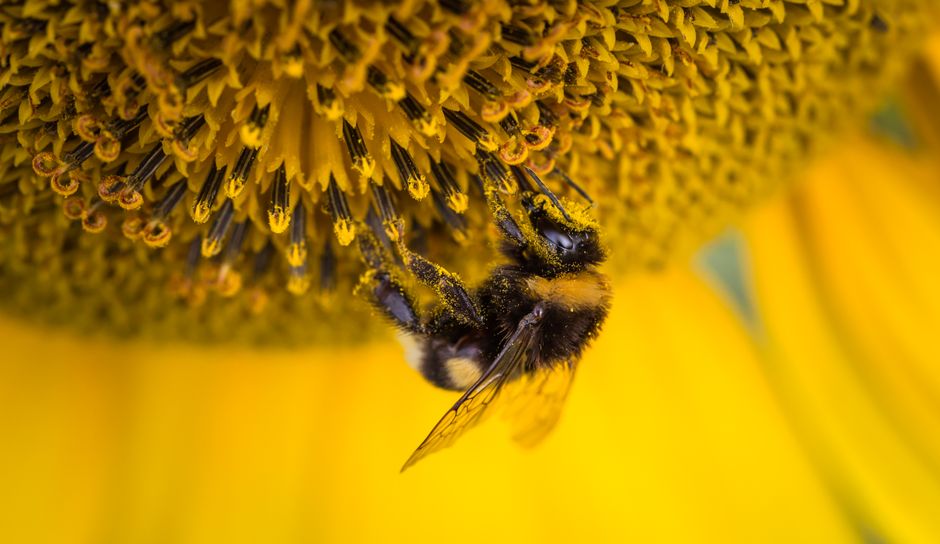
Insects that serve as pollinators belong to several orders, each with unique characteristics and preferences. Bees (Hymenoptera) are perhaps the most well-known, with over 20,000 species worldwide. They are highly efficient due to their reliance on pollen and nectar as food sources for their larvae, and they have specialized structures such as pollen baskets and branched hairs that facilitate pollen collection. Honeybees are social and managed in hives, but wild bees, including bumblebees and solitary species, are equally important for pollinating many crops and wild plants.
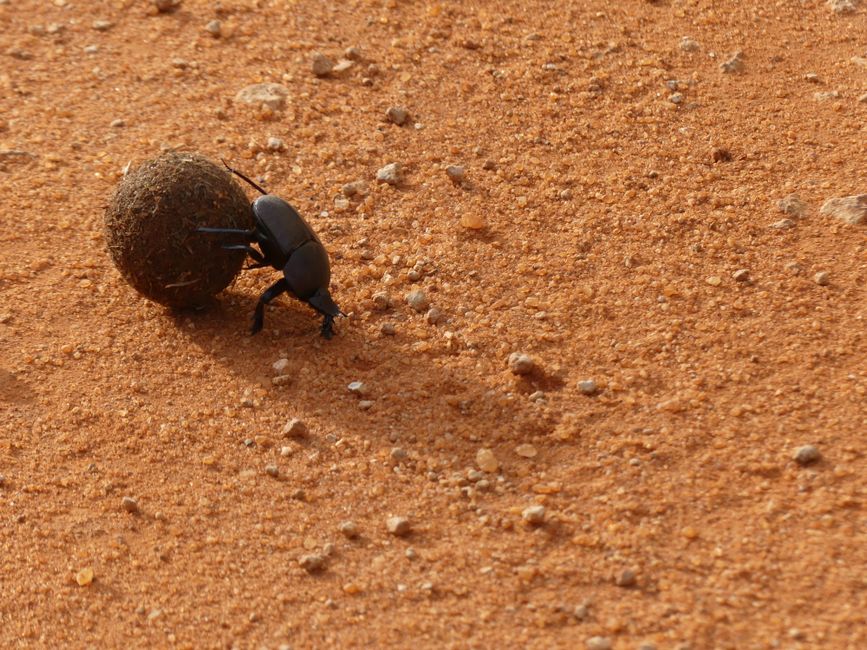
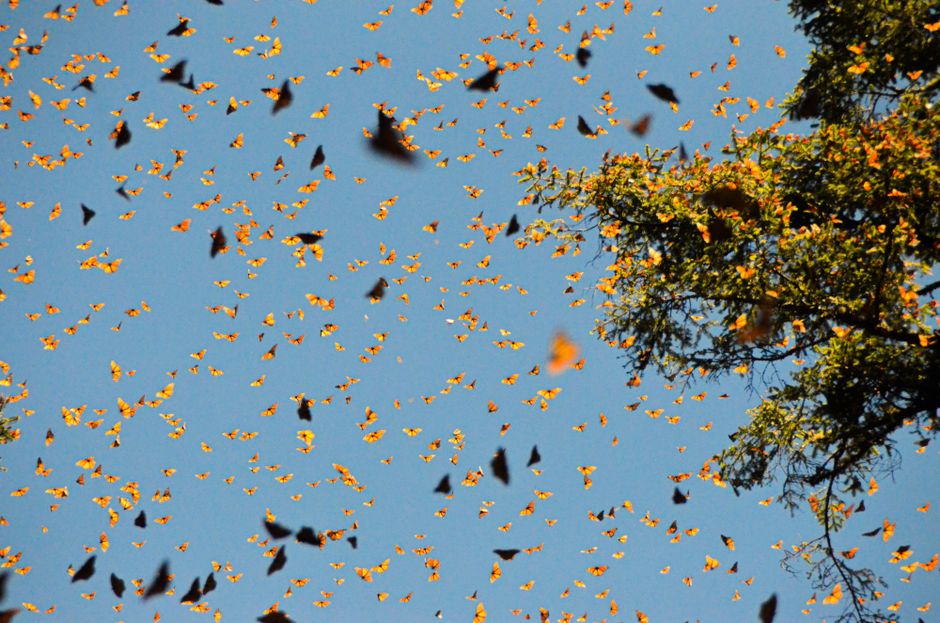
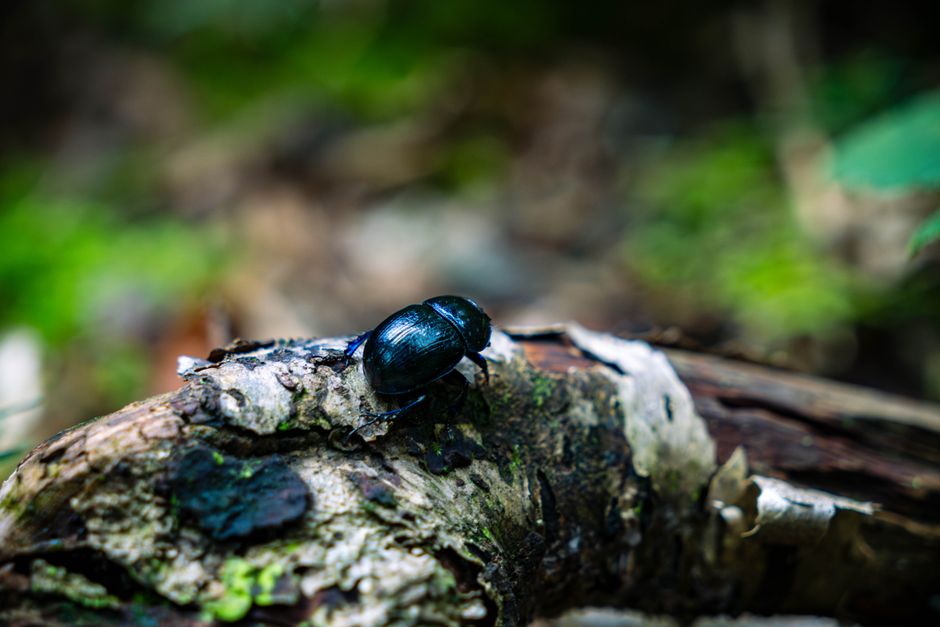
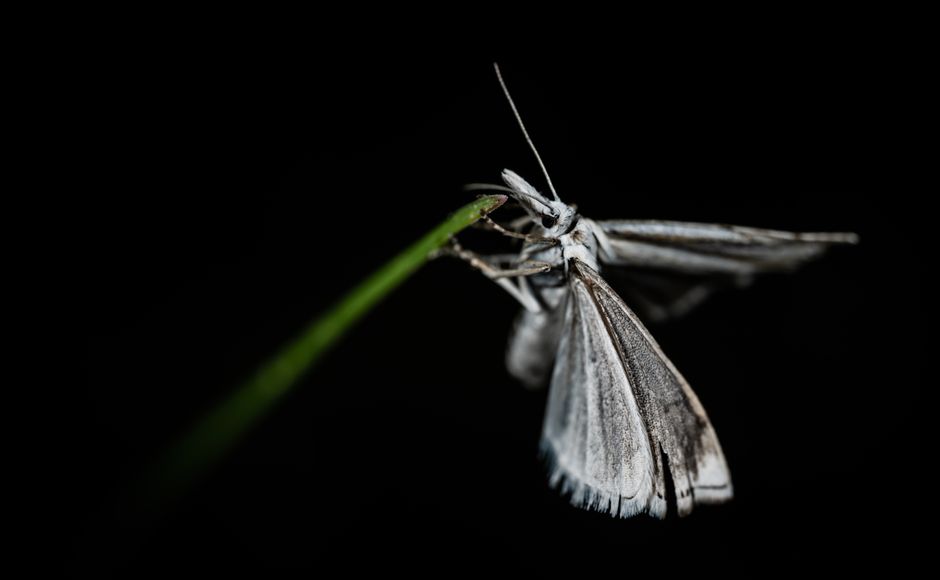
Butterflies (Lepidoptera) are also important pollinators, particularly for brightly colored, tubular flowers. They feed on nectar using a long proboscis and, in the process, carry pollen from flower to flower. However, they are generally less efficient than bees because they do not actively collect pollen. Beetles (Coleoptera) represent one of the oldest groups of pollinators, often visiting flowers that are large, bowl-shaped, and have strong odors. They may consume pollen as well as nectar, and while they are less precise, they contribute to pollination of many plant families.
Flies (Diptera) are often overlooked but are significant pollinators, especially in colder regions where bees are less active. Hoverflies and bee flies mimic bees in appearance and behavior, and they visit a wide range of flowers. Flies are particularly important for crops such as cocoa and mangoes. The diversity of insect pollinators ensures that different plants can be serviced under varying environmental conditions, enhancing overall pollination reliability.
The Pollination Process and Floral Adaptations
Pollination begins when an insect visits a flower in search of food—either nectar or pollen. As the insect feeds, pollen grains adhere to its body, often in specific locations that correspond to the flower’s reproductive structures. When the insect moves to another flower, some of these pollen grains are transferred to the stigma, the receptive part of the female organ. This transfer initiates fertilization, leading to the production of seeds and fruits. The success of this process depends on the synchrony between flower opening and insect activity, as well as the compatibility of pollen and stigma.
Flowers have evolved a remarkable array of adaptations to attract specific pollinators and ensure effective pollen transfer. For example, some flowers produce ultraviolet patterns visible to bees, guiding them to the nectar source. Others have long tubular shapes that only butterflies or moths with long proboscises can access. Beetle-pollinated flowers often have landing platforms and produce fruity or musky scents. Flies are attracted to flowers that mimic decaying organic matter, with brownish colors and putrid odors. These adaptations reduce competition among pollinators and increase the likelihood that pollen will be delivered to the correct species.
The timing of flowering also plays a role. Many plants bloom in synchrony with the emergence of their primary pollinators, a phenomenon that reflects co-evolutionary relationships. For instance, some spring-blooming wildflowers rely on early-flying bees that emerge from hibernation. Such interdependencies highlight the delicate balance that supports pollination networks.
Agricultural Dependence on Insect Pollination
Approximately three-quarters of the world’s crop species benefit from insect pollination to some degree. These include many fruits, vegetables, nuts, and oilseeds such as apples, almonds, blueberries, cucumbers, and sunflowers. While some crops are self-pollinating or wind-pollinated, insect-pollinated crops often produce higher yields and better-quality fruits when pollinators are abundant. The economic value of pollination services is substantial, though it varies by region and crop type.
Managed honeybee colonies are frequently used in large-scale agriculture to supplement wild pollinator populations. However, reliance on a single species carries risks, as honeybee health can be affected by diseases, pesticides, and environmental stressors. Diverse wild pollinator communities provide a buffer against such disruptions because different species respond differently to environmental changes. Studies have shown that fields with a variety of pollinators achieve more stable pollination rates, even under unfavorable conditions.
Agricultural practices themselves influence pollinator abundance and diversity. The availability of nesting sites, floral resources from hedgerows and cover crops, and the reduction of pesticide use are factors that can support pollinator populations. Farmers and land managers may adopt integrated approaches that consider both crop needs and pollinator habitat. These practices do not guarantee specific outcomes but can contribute to more resilient pollination systems over time.
Pollination in Wild Ecosystems
In natural habitats, insect pollination is essential for the reproduction of a vast number of plant species. This process underpins the structure and functioning of terrestrial ecosystems. Many wild plants produce fruits and seeds only after successful pollination, providing food for birds, mammals, and other insects. These plants also form the basis of food webs, and their decline would have cascading effects on biodiversity.
Pollination networks are complex, with many plants visited by multiple insect species and vice versa. This redundancy contributes to ecosystem stability; if one pollinator species declines, others may compensate. However, such compensation is limited, and the loss of specialized pollinators can lead to reduced plant reproduction. Habitat fragmentation, invasive species, and climate change are modifying these interactions in ways that are not fully understood.
Conservation of wild pollinator habitats, such as meadows, forests, and wetlands, is often discussed as a way to maintain pollination services. These habitats provide nesting sites and a continuous supply of floral resources throughout the growing season. Protecting natural areas and restoring degraded ones can help sustain the diversity of insect pollinators that wild ecosystems depend on.
Challenges and Considerations for Pollinator Health
Insect pollinators face multiple pressures that can affect their populations and, consequently, pollination services. Habitat loss due to urbanization, agriculture, and deforestation reduces the availability of food and nesting sites. Pesticides, particularly insecticides and certain fungicides, can have direct toxic effects or sublethal impacts on foraging behavior and navigation. Climate change alters flowering times and geographic ranges, potentially disrupting synchrony between plants and pollinators.
Efforts to address these challenges involve a range of approaches, from scientific research to landscape management. Monitoring programs help track pollinator abundance and diversity over time. Policy measures may include guidelines for pesticide use and incentives for habitat conservation. Public awareness campaigns encourage individuals to plant pollinator-friendly gardens and reduce pesticide use. However, the effectiveness of these efforts depends on local conditions and the cooperation of multiple stakeholders.
It is important to note that no single intervention can guarantee the protection of pollinator populations. The complexity of ecological systems means that outcomes are influenced by many interacting factors. Research continues to refine understanding of these dynamics, and adaptive management strategies are often recommended as a way to respond to changing circumstances.