Exploring Microhabitats: Insects in a Single Log
When walking through a forest, it is easy to overlook the fallen logs scattered across the forest floor. Yet each log represents a complex microhabitat, a small but complete ecosystem that can support dozens of insect species. The process of wood decay creates a dynamic environment where moisture levels, temperature, and nutrient availability shift over time. Insects such as beetles, termites, and centipedes are drawn to these conditions, each fulfilling a role in the breakdown and recycling of organic matter. Understanding how to observe these creatures in their natural setting provides insight into the broader ecological processes at work in woodlands.
Exploring a single log requires patience and a careful approach. The goal is not to disturb the habitat excessively but to observe the interactions and adaptations that occur within it. By learning to recognize the signs of insect activity and the different zones within a log, anyone can begin to appreciate the hidden diversity that exists just beneath the bark. This article outlines a process-oriented method for examining rotting wood and discovering the insects that call it home.
The Log as a Microhabitat
A fallen log is far from a uniform object. Its internal structure varies from the outer bark to the inner heartwood, and each layer offers different conditions for insect life. The bark often provides shelter for insects seeking protection from predators and desiccation, while the cambium layer beneath it is rich in nutrients and moisture. As fungi and bacteria begin to break down the wood, the softer sapwood becomes accessible to a range of detritivores. Meanwhile, the heartwood may remain denser and drier, supporting species that are adapted to tougher material.
The position of the log also influences its microclimate. Logs lying directly on the forest floor tend to retain more moisture from the soil, whereas those elevated slightly may dry out faster. The side exposed to sunlight can become warmer, creating a gradient of temperature and humidity that insects exploit according to their needs. Over time, as decomposition progresses, the log undergoes distinct stages—from fresh dead wood to highly decayed, crumbly material. Each stage attracts different insect communities, making the log a dynamic habitat that changes year after year.
Key Insect Groups Found in Logs
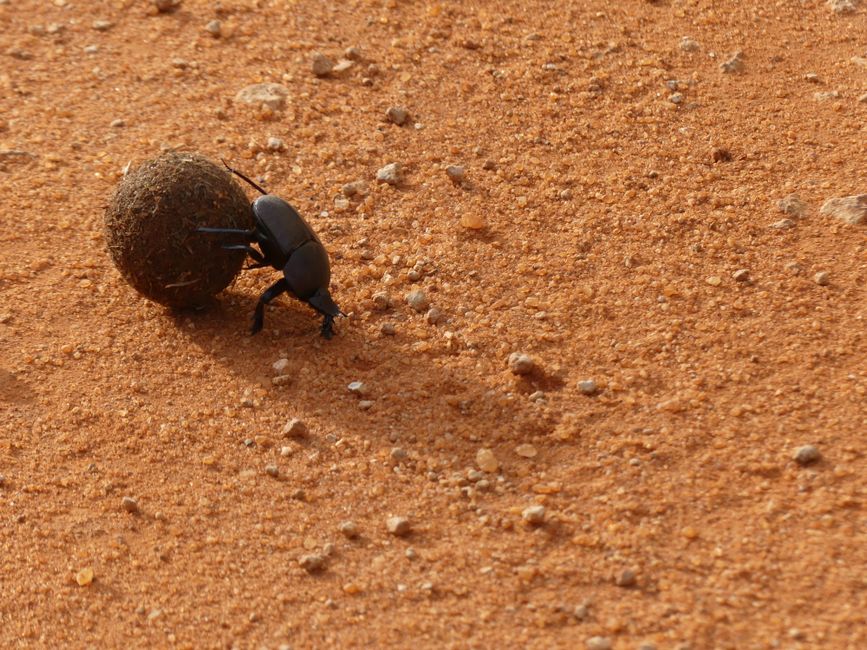
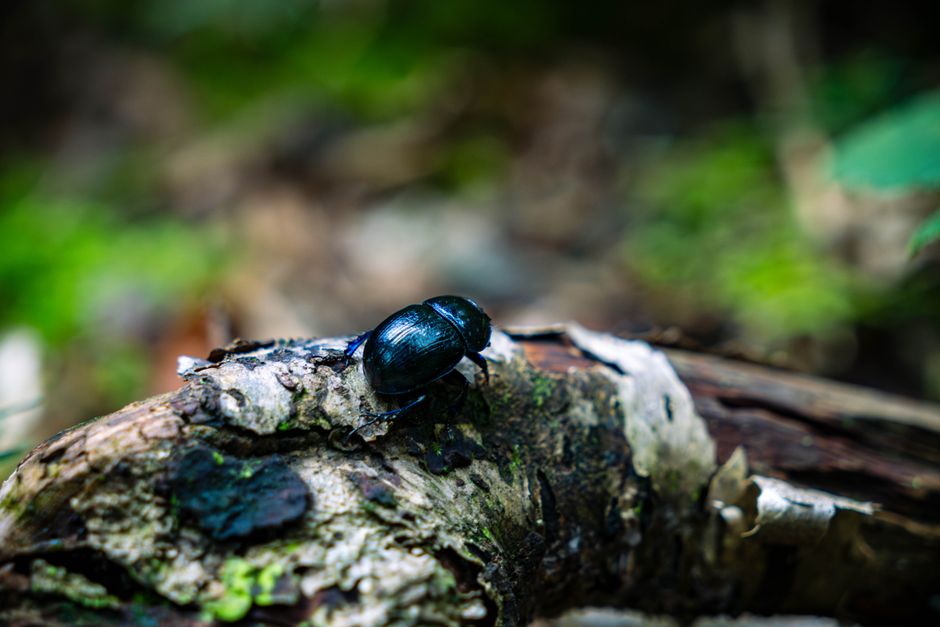
Beetles are often the most conspicuous inhabitants of rotting wood. Many families, such as longhorn beetles (Cerambycidae) and bark beetles (Scolytinae), spend their larval stages feeding on wood or beneath bark. Adults can be found mating, laying eggs, or seeking out fresh decay. Termites are another common group, particularly in warmer regions, where they play a central role in breaking down cellulose. Their colonies often construct intricate galleries within the wood, and observing their trails can reveal the extent of their activity.
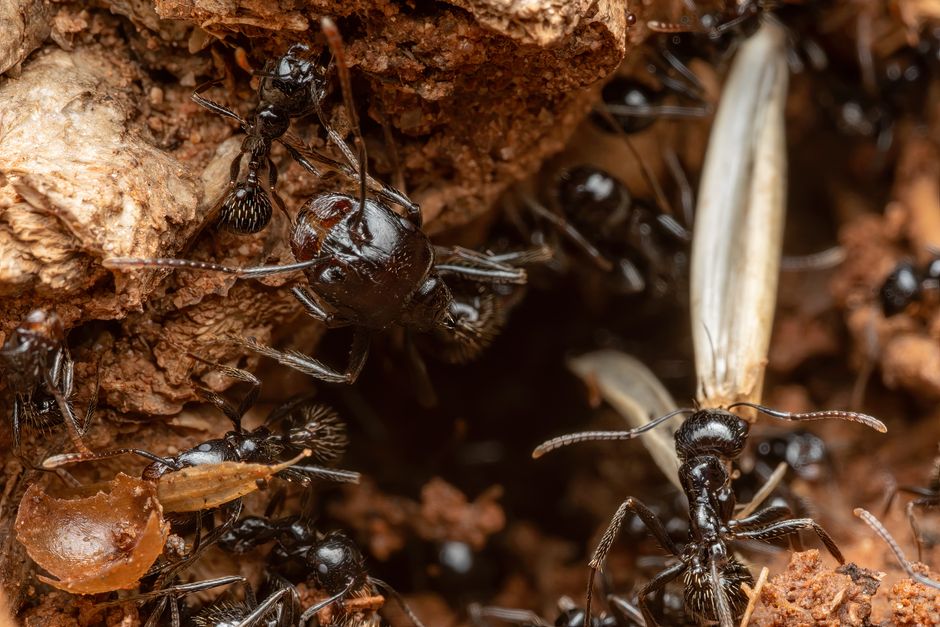
Centipedes and millipedes are also frequent residents, though they occupy different ecological niches. Centipedes are predators, hunting small insects and arthropods in the damp crevices of the log. Millipedes, by contrast, feed on decaying plant matter, contributing to the fragmentation of wood and leaf litter. Ants may establish colonies in cavities, while various fly larvae, springtails, and woodlice further enrich the community. Each group interacts with the log in a distinct way, and recognizing their presence helps build a fuller picture of the microhabitat’s biodiversity.
Methods for Observing Insects in Rotting Wood
Observing insects in a log requires a systematic approach to minimize disturbance and ensure safety. Before beginning, it is advisable to wear gloves and consider using tools such as a hand lens, a small trowel, and a pair of soft forceps. The first step is to examine the log’s surface for signs of insect activity: small holes, sawdust-like frass, or trails of mud and silk. Gently lifting loose bark with the trowel can reveal galleries and the insects sheltering beneath. It is important to return the bark to its original position afterward, preserving the habitat.
For deeper inspection, one may break apart sections of highly decayed wood with care. This process should be done slowly, allowing time to observe any moving creatures. Taking notes or photographs helps document species and behavior without removing them from their environment. A log can be investigated over several sessions, as weather and time of day influence insect activity. For example, many beetles are more active at night, while centipedes may be seen during damp conditions. By adopting a patient, observational mindset, the complexity of the log microhabitat gradually becomes apparent.
Ecological Importance of Log Microhabitats
The insects within a fallen log contribute to nutrient cycling in ways that affect the entire forest ecosystem. As beetles, termites, and other organisms break down wood, they release carbon, nitrogen, and other elements back into the soil. This process supports plant growth and sustains the food web. Predatory insects such as centipedes help regulate populations of smaller invertebrates, preventing any single group from becoming overly dominant. The presence of diverse insect species can also indicate the health and stage of forest regeneration.
Beyond nutrient cycling, logs provide vital shelter and breeding sites for many organisms. Amphibians, reptiles, and small mammals sometimes use logs as cover, and birds may forage for insects in the crevices. The microhabitat created by a single log can therefore have ripple effects throughout the local area. Recognizing these connections encourages a broader appreciation for dead wood as an essential component of forest landscapes, rather than a waste product.
Factors Influencing Insect Diversity in a Log
The number and variety of insects found in a single log depend on several interacting factors. The tree species from which the log originated influences the wood’s density, chemical composition, and decay rate. Hardwoods like oak and maple tend to decay more slowly than softwoods like pine, hosting different insect assemblages over longer periods. The stage of decomposition is another critical variable: early stages attract wood-boring beetles, while later stages support more fungi-feeders and detritivores.
Environmental conditions such as humidity, temperature, and exposure to sunlight also shape insect communities. Logs in shaded, moist locations often have higher insect diversity than those in dry, open areas. Geographic location and surrounding habitat type further contribute, as local insect populations vary by region. Even the orientation of the log—whether it lies north–south or east–west—can create microclimatic differences. All these factors interact in complex ways, meaning that no two logs are exactly alike. This variability makes the exploration of each log a unique opportunity for discovery.
By approaching a fallen log with curiosity and a methodical process, one can uncover a hidden world of insects and their interactions. The insights gained from such observations contribute to a deeper understanding of forest ecology and the subtle networks that sustain it.