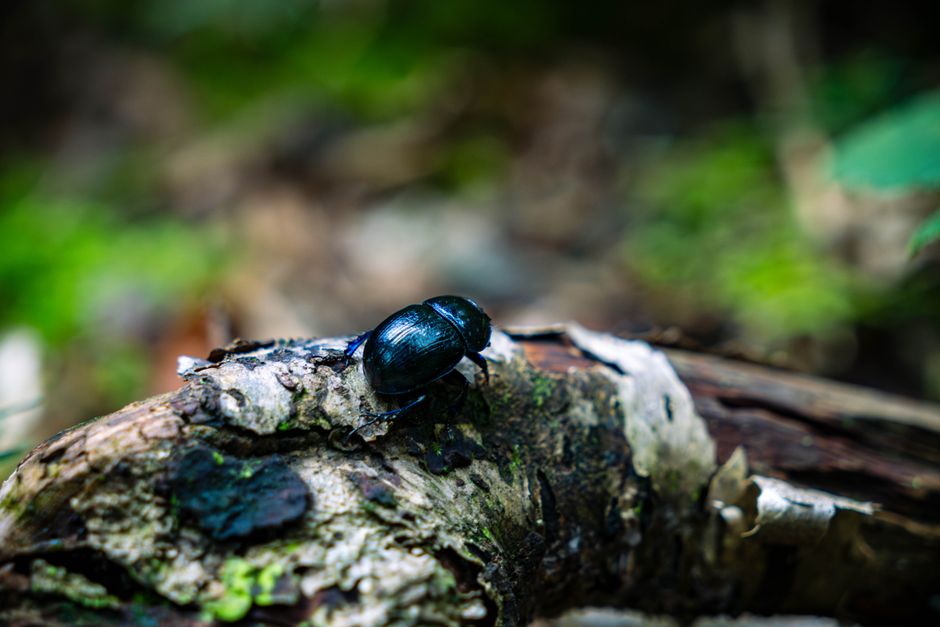
Beneath the surface of pastures and woodlands, a quiet but essential process takes place every day. Dung beetles, a group of insects belonging to the superfamily Scarabaeoidea, are among the most effective recyclers in terrestrial ecosystems. Their primary activity involves the relocation and breakdown of animal manure, a substance that would otherwise accumulate and pose ecological challenges. By moving dung into the soil or consuming it, these beetles initiate a cascade of nutrient transformations that support plant growth, soil structure, and overall ecosystem balance.
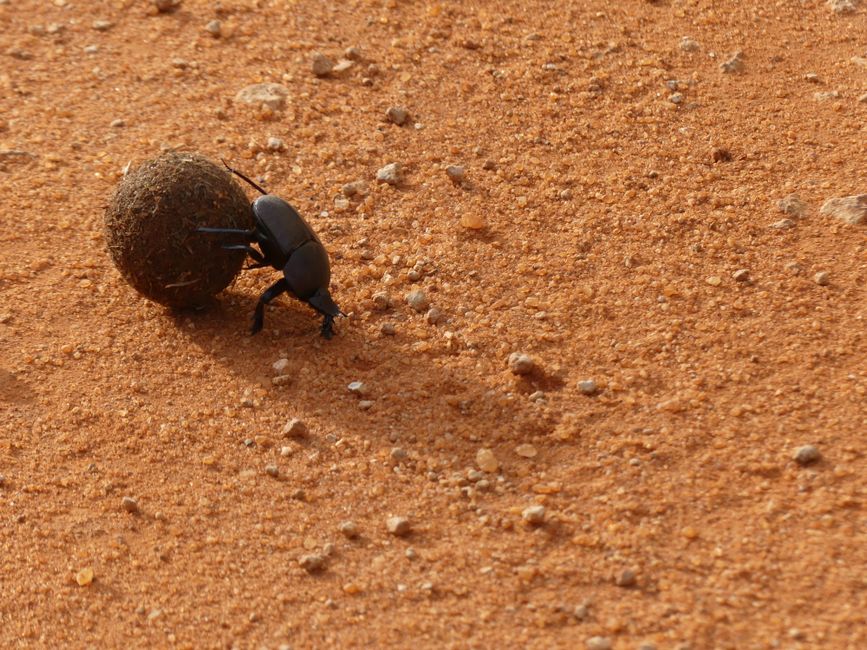
The work of dung beetles is not merely about waste removal. It is a sophisticated behavior that involves competition, cooperation, and precise engineering. Different species adopt distinct strategies: rollers shape dung into balls and roll them away from the source, tunnelers bury dung directly beneath the pat, and dwellers simply live within the manure itself. Each approach affects how nutrients are distributed and how quickly organic matter is incorporated into the soil. The result is a natural process that can influence soil fertility, water infiltration, and even the population dynamics of parasites that rely on dung for reproduction.
Understanding these insects offers practical insights for land managers and farmers. Rather than relying solely on mechanical or chemical methods to manage manure, knowledge of dung beetle ecology can inform strategies that work in concert with natural processes. This article explores the nesting behaviors, ecological contributions, and agricultural relevance of dung beetles, focusing on how they interact with their environment and the conditions that support their activities.
The Role of Dung Beetles in Nutrient Cycling
Animal manure contains significant quantities of nitrogen, phosphorus, potassium, and other nutrients that plants require. When dung is left on the soil surface, much of the nitrogen can be lost through volatilization as ammonia, and phosphorus may be washed away by rain before it can be used by vegetation. Dung beetles alter this dynamic by moving manure into the soil, where nutrients become less susceptible to loss and more accessible to plant roots.
Through their tunneling and burial activities, dung beetles physically incorporate organic matter into deeper soil layers. This process can increase the organic carbon content of the soil, improve its structure, and enhance its water-holding capacity. Research has shown that pastures with active dung beetle populations tend to have higher rates of nutrient cycling and more vigorous plant growth compared to areas where beetles are absent. However, the magnitude of these effects depends on factors such as beetle species composition, dung type, soil texture, and climate conditions.
In addition to direct burial, dung beetles also fragment manure as they feed and move. This increases the surface area available for microbial decomposition, accelerating the breakdown of organic matter. The combined actions of beetles and microbes create a steady release of nutrients over time, rather than a rapid flush followed by losses. For farmers managing grazed pastures, this gradual nutrient release can support consistent forage production without the need for as much synthetic fertilizer, though the extent of this benefit varies with local conditions.
Nesting Behaviors and Life Cycle
Dung beetles exhibit a range of nesting strategies that reflect adaptations to different environments and dung resources. Rollers, such as those in the genus Scarabaeus, form a dung ball and roll it some distance away before burying it in a shallow tunnel. This ball serves as a food supply for the developing larva. Tunnelers, like many Onthophagus species, dig a vertical shaft directly beneath the dung pat and construct brood chambers off the main tunnel. They pack each chamber with dung, lay an egg inside, and then seal it. Dwellers, such as Aphodius species, complete their entire life cycle within the dung pat without significant burial.
The choice of nesting strategy influences not only the beetle’s survival but also the ecological impact. Rollers and tunnelers typically remove dung from the surface more effectively than dwellers, which means more organic matter is transferred into the soil. The depth of burial also matters: deeper tunnels can improve soil aeration and water infiltration, but require more energy from the beetle. Temperature, moisture, and soil compaction all affect which nesting behavior is most successful in a given location.
After mating, female dung beetles construct brood masses and deposit a single egg per chamber. The larva hatches and feeds on the surrounding dung, growing through several instars before pupating. The entire development cycle can take from a few weeks to several months, depending on temperature and food quality. Adults then emerge and begin the cycle again. Many species have synchronized emergence patterns tied to seasonal rainfall, ensuring that dung is available when new adults are ready to reproduce. These life history traits mean that dung beetle populations are sensitive to disruptions in land management, such as frequent dung removal or pesticide use.
Benefits for Agricultural Systems
In grazing systems, dung beetles can contribute to several management goals, though their effects are context-dependent. One of the most frequently cited benefits is the reduction of parasites that affect livestock. Many internal parasites, such as gastrointestinal nematodes, pass eggs in the feces. The larvae that hatch from these eggs migrate onto grass, where they can be ingested by grazing animals. By breaking up and burying dung, beetles can physically remove the substrate that parasite larvae need to develop and disperse.
Studies have shown that in pastures with high dung beetle activity, the numbers of infective larvae on herbage can be lower compared to pastures without beetles. However, the actual impact on parasite burdens in livestock depends on many variables, including the species of parasite, the timing of beetle activity relative to egg deposition, and the overall stocking density. Dung beetles are not a standalone solution for parasite control, but they can be part of an integrated approach that also includes pasture rotation, targeted deworming, and genetic selection for resistance.
Beyond parasite reduction, dung beetles help minimize nutrient hotspots and reduce fly breeding sites. Flies that breed in manure can become nuisance pests and vectors of disease. When beetles rapidly remove or desiccate fresh dung, they make the habitat less suitable for fly larvae. Additionally, the incorporation of dung into the soil reduces odors and the visual impact of manure on pasture surfaces. These secondary benefits can improve the overall hygiene and aesthetics of grazing areas, though they are not guaranteed in every situation and depend on adequate beetle populations.
Conservation and Challenges
Dung beetle populations face numerous pressures in modern agricultural landscapes. The use of certain veterinary pharmaceuticals, particularly macrocyclic lactones such as ivermectin, can be toxic to dung beetles when residues are excreted in manure. Even sublethal doses may impair beetle reproduction, feeding, or development. The extent of the impact varies with the drug, dosage, formulation, and time since treatment. Farmers who wish to support dung beetle activity can consult with veterinarians to consider treatment timing or alternative products, though no single recommendation applies universally.
Habitat fragmentation and soil compaction also limit the ability of dung beetles to establish and maintain populations. Monoculture pastures with little structural diversity may not provide the microclimatic conditions that certain species require. Maintaining hedgerows, riparian buffers, and patches of native vegetation can offer refuge and dispersal corridors for beetles. Similarly, reducing tillage and minimizing soil disturbance can protect the tunnels and brood chambers that beetles construct.
Organizations such as Insecta Insights have documented the distribution and ecology of dung beetles across different regions, providing resources for land managers interested in monitoring local populations. By understanding which species are present and how they respond to management practices, it becomes possible to make informed decisions that align agricultural productivity with ecological function. The hidden world of dung beetles is not just a curiosity of natural history; it is a living component of soil health that merits attention and careful stewardship.